

Improved
Alignment
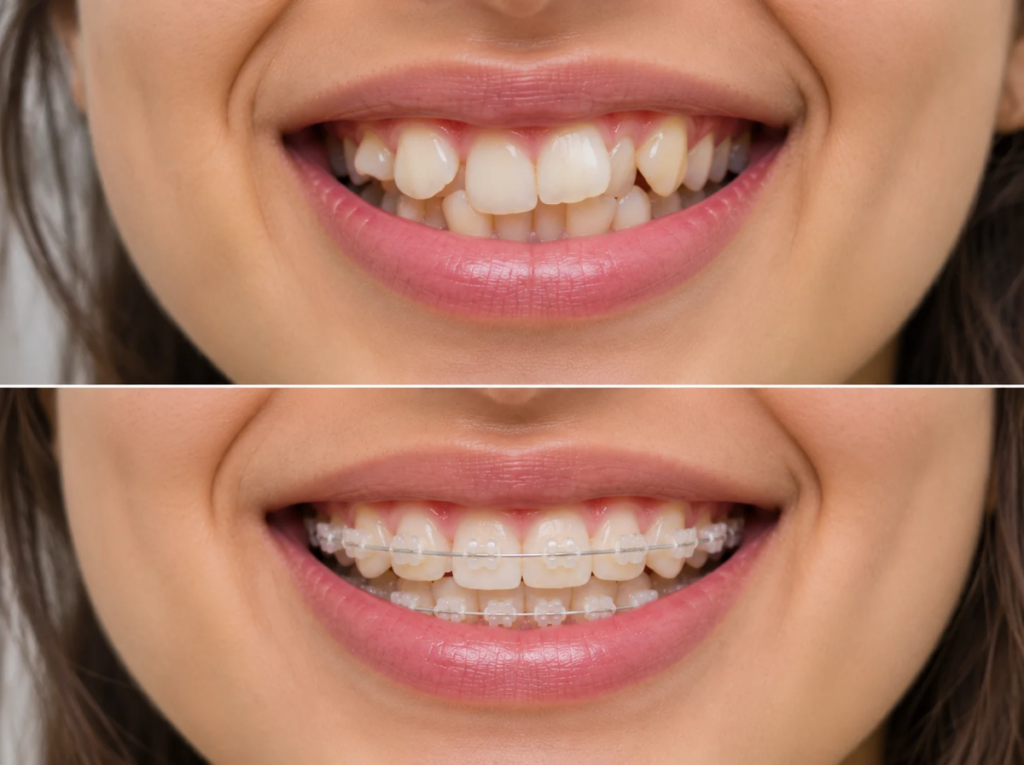
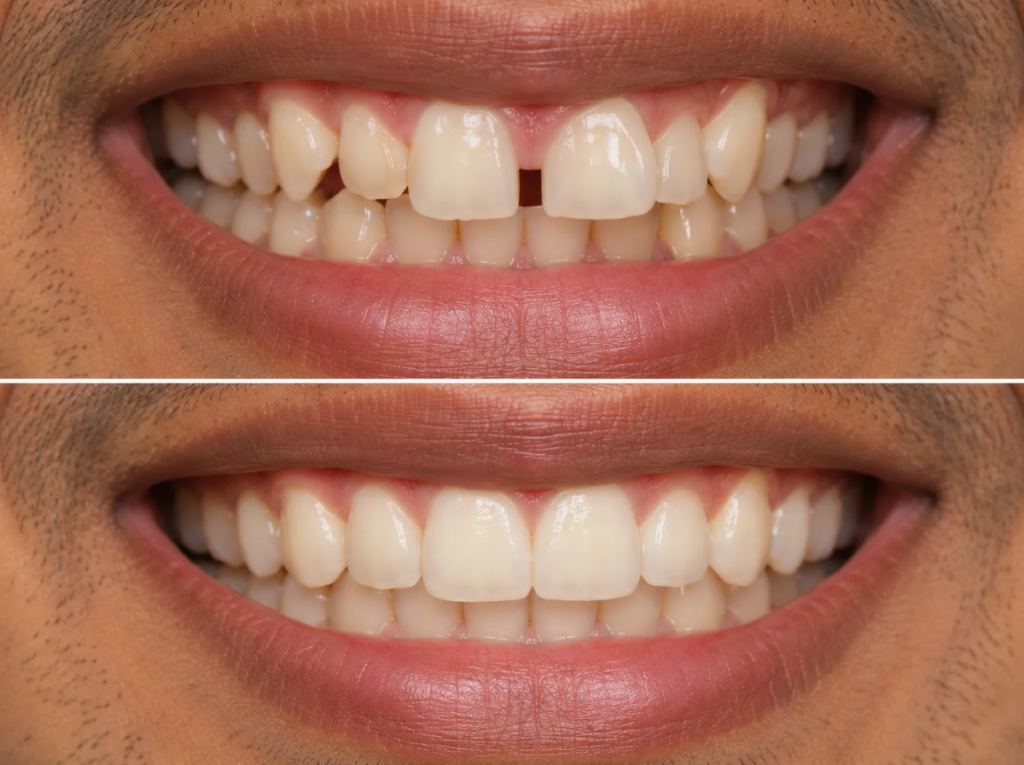
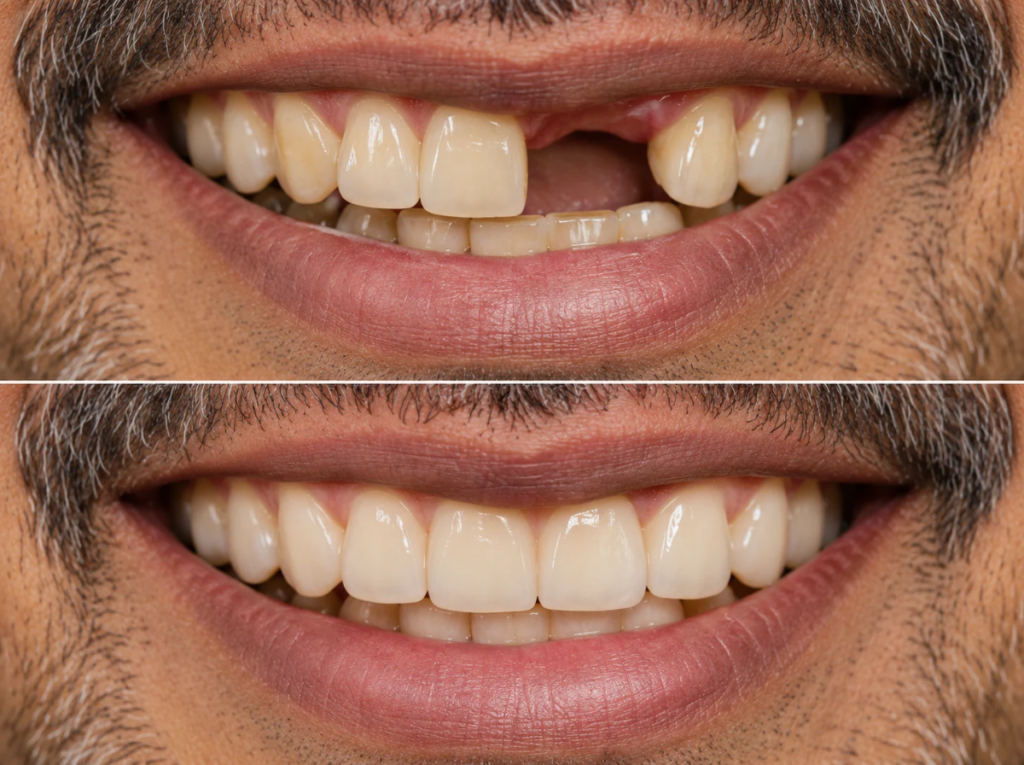
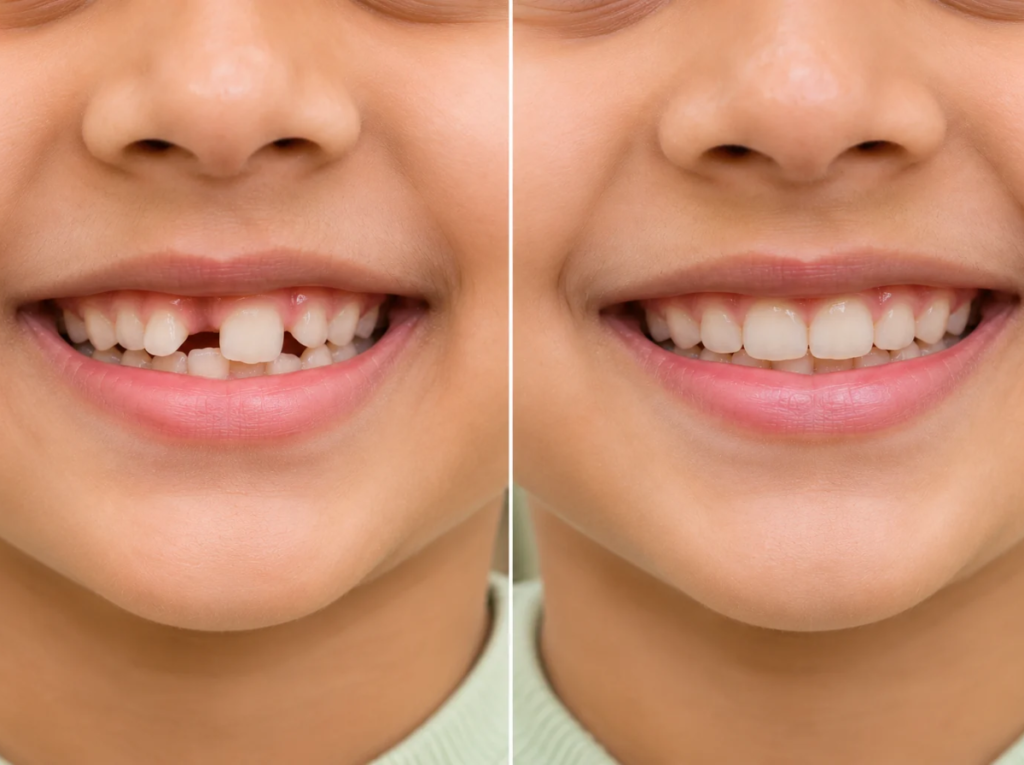
Gradually correct crooked, crowded and unevenly positioned teeth for a more balanced smile.

Bite
Correction
Address selected bite irregularities and improve how your upper and lower teeth come together.
Personalised
Treatment
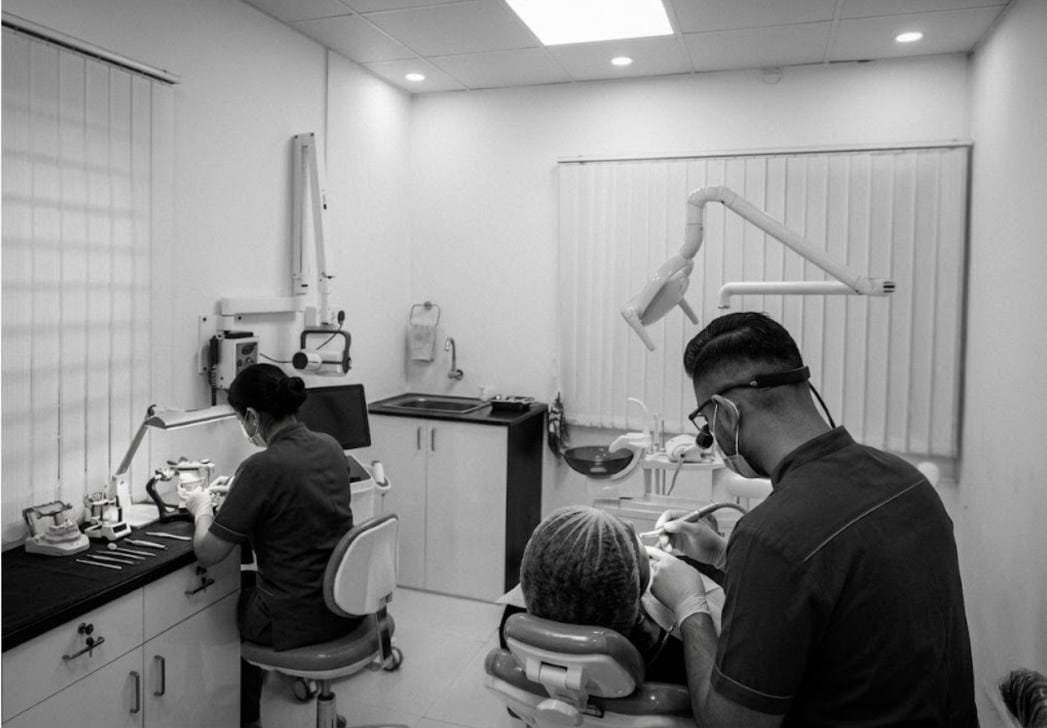
Receive an orthodontic treatment approach planned around your dental condition and alignment goals.

Long-Term
Smile Care
Maintain your improved alignment with regular dental monitoring, proper oral hygiene and prescribed retainers.
Improved
Alignment
Gradually correct crooked, crowded and unevenly positioned teeth for a more balanced smile.
Bite
Correction
Address selected bite irregularities and improve how your upper and lower teeth come together.
Personalised
Treatment
Receive an orthodontic treatment approach planned around your dental condition and alignment goals.
Long-Term
Smile Care
Maintain your improved alignment with regular dental monitoring, proper oral hygiene and prescribed retainers.
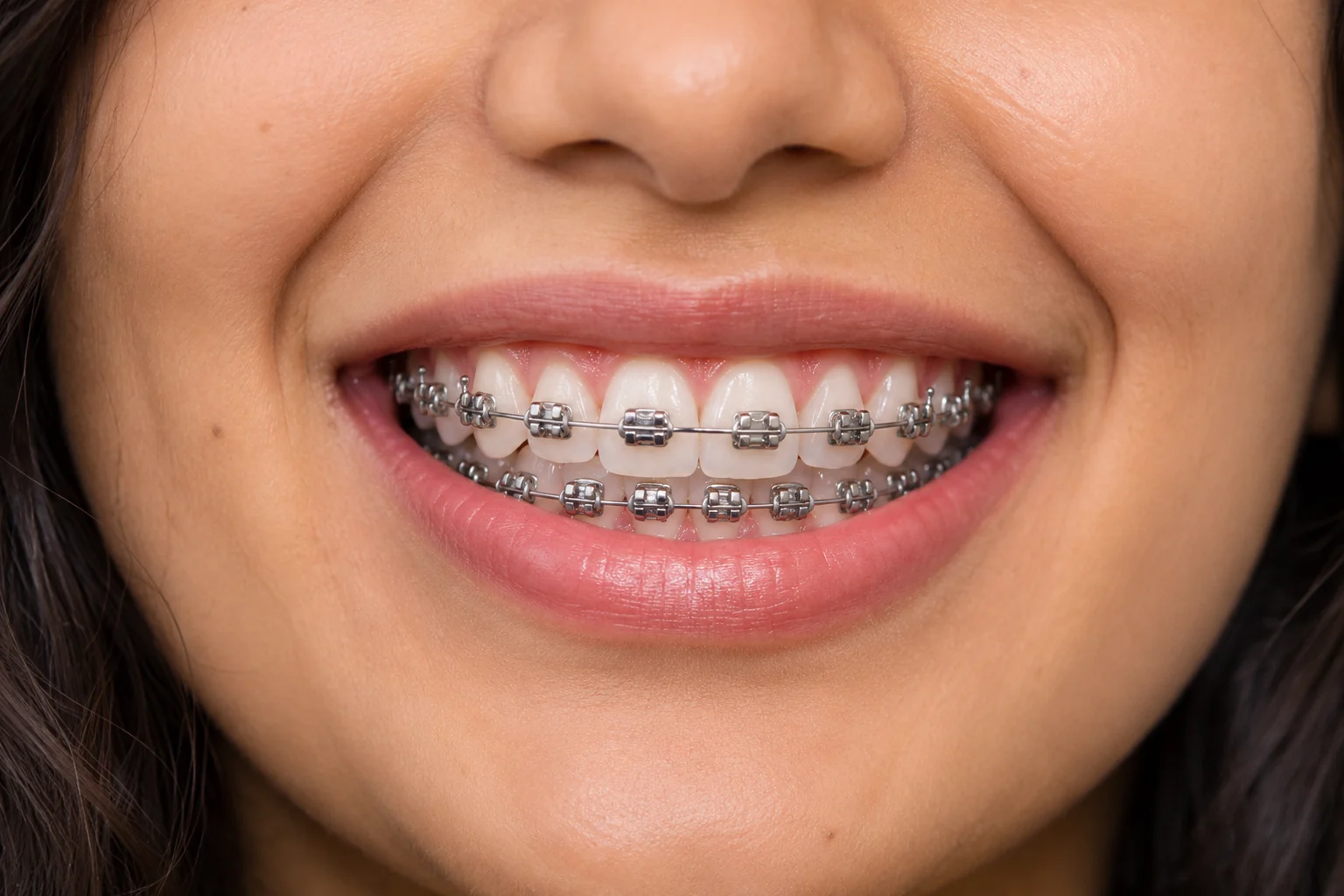
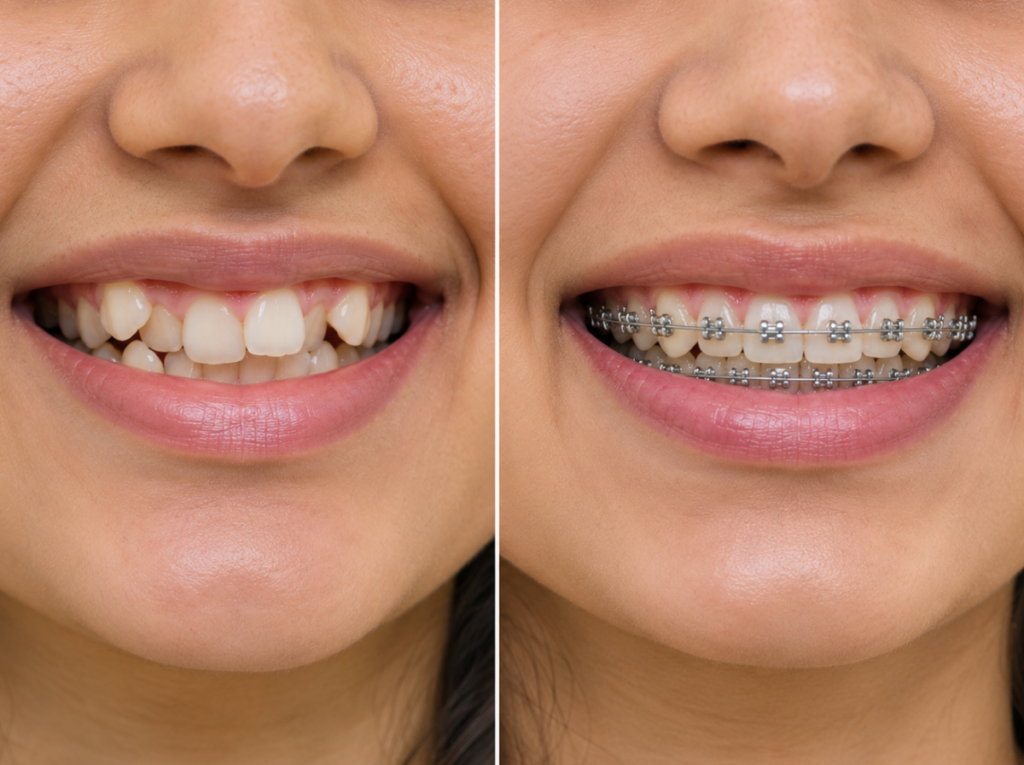
Traditional Metal Braces
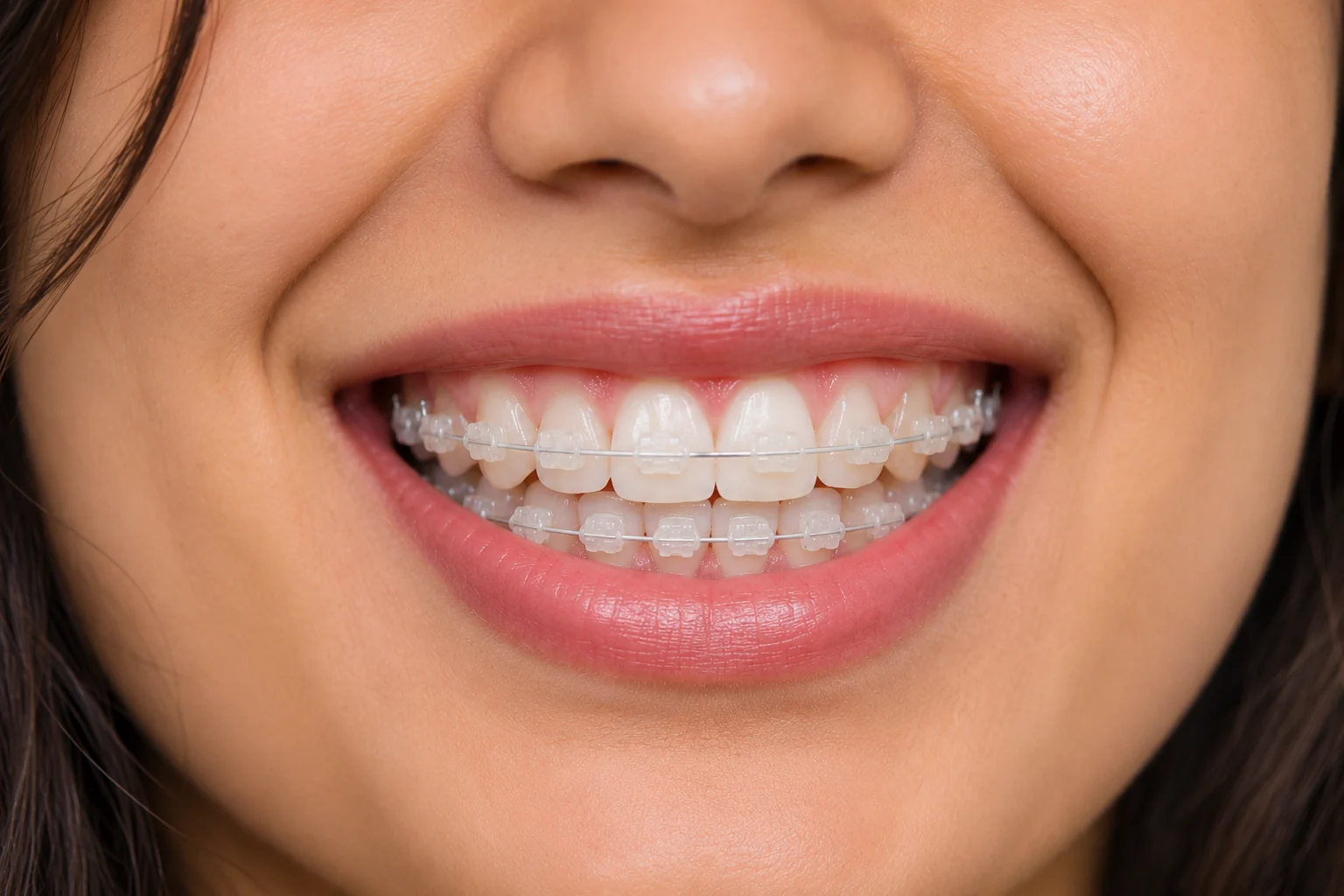
Ceramic Braces

Effective
Alignment
Gradually move misaligned teeth into planned positions for a straighter, more balanced smile.

Bite
Improvement
Help correct selected bite irregularities, including problems with how the upper and lower teeth meet.

Suitable For
Different Cases
Address various orthodontic concerns, including crowding, spacing and certain alignment issues.

Guided
Treatment
Follow a personalized orthodontic plan with regular dental appointments to monitor your progress.
Effective
Alignment
Gradually move misaligned teeth into planned positions for a straighter, more balanced smile.
Bite
Improvement
Help correct selected bite irregularities, including problems with how the upper and lower teeth meet.
Suitable For
Different Cases
Address various orthodontic concerns, including crowding, spacing and certain alignment issues.
Guided
Treatment
Follow a personalized orthodontic plan with regular dental appointments to monitor your progress.