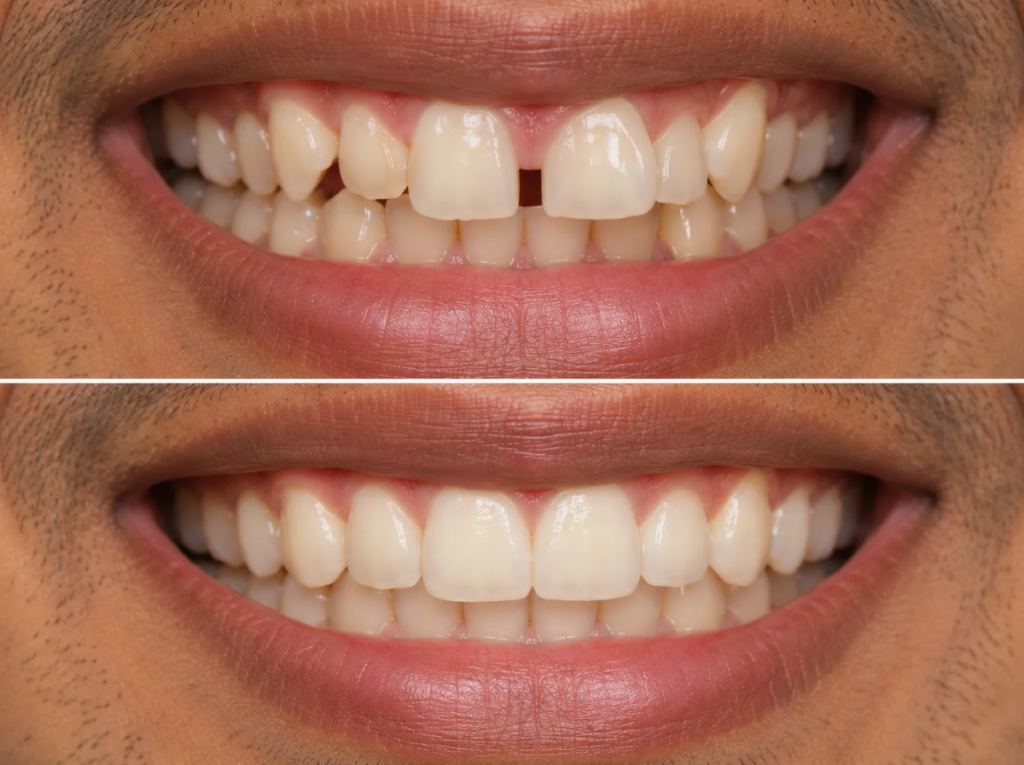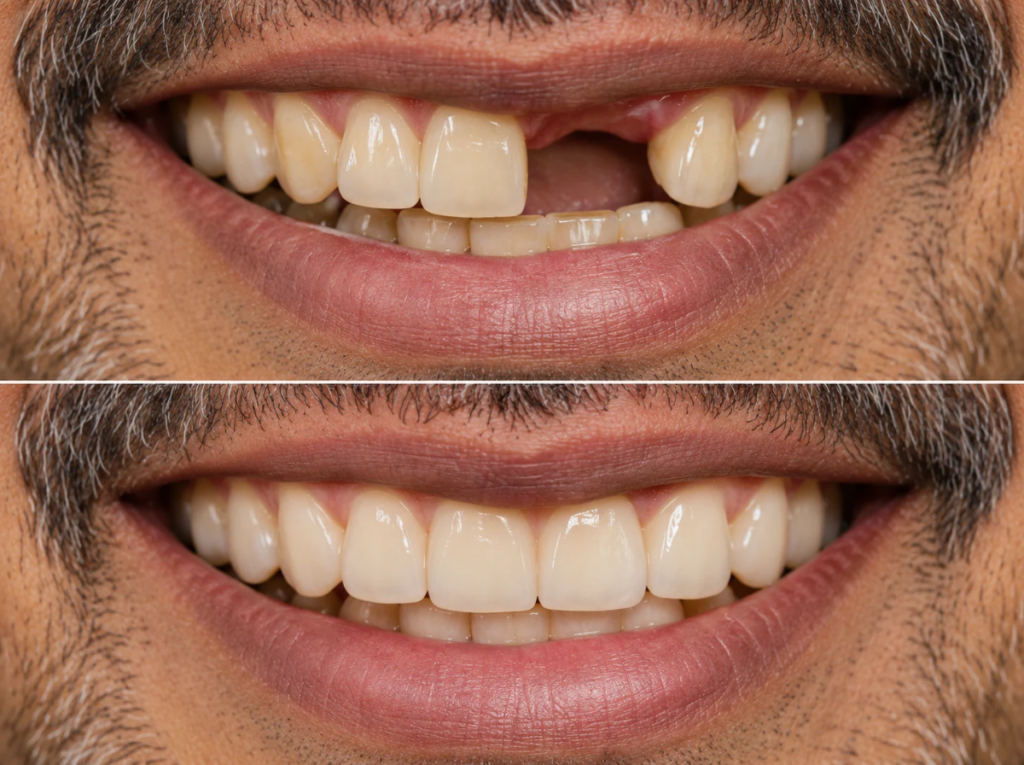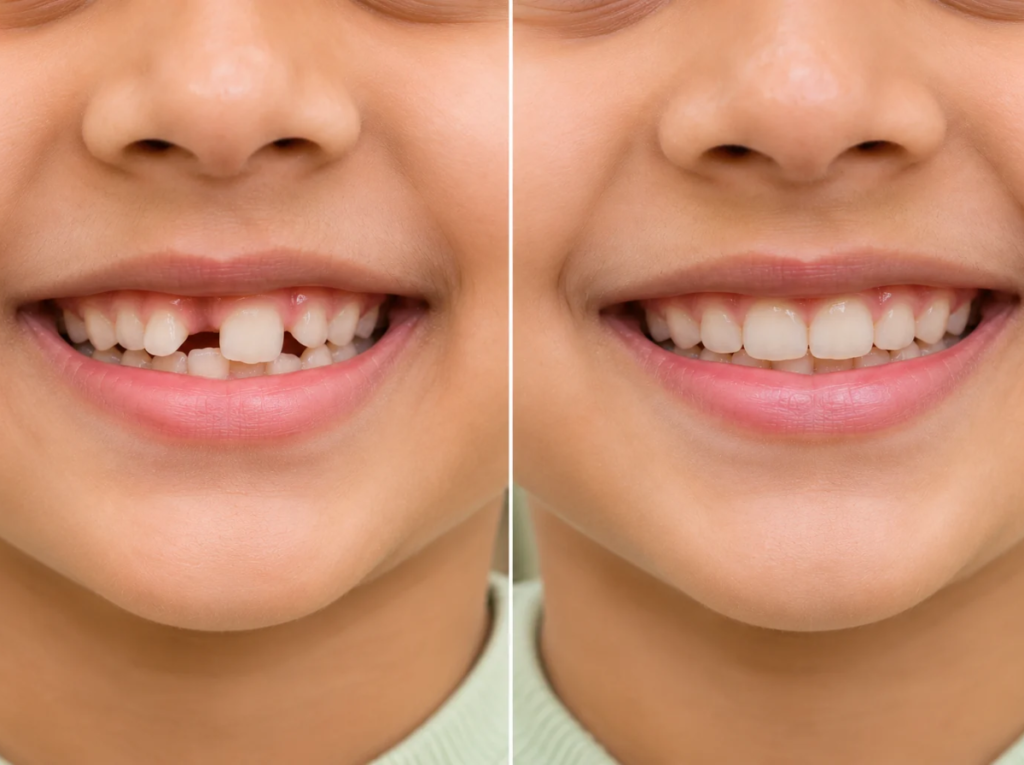


Natural-Looking
Results
Designed to complement your existing teeth and restore a balanced smile.
Stable Tooth
Replacement
Provides a secure foundation for replacement teeth without relying on neighbouring teeth for support.
Restored Chewing
Function
Helps you enjoy everyday meals with improved biting and chewing ability.

Supports Jawbone
Health
Implants transfer chewing forces to the jawbone and can help reduce bone loss in the area of a missing tooth.
Natural-Looking
Results
Designed to complement your existing teeth and restore a balanced smile.
Stable Tooth
Replacement
Provides a secure foundation for replacement teeth without relying on neighbouring teeth for support.
Restored Chewing
Function
Helps you enjoy everyday meals with improved biting and chewing ability.
Supports Jawbone
Health
Implants transfer chewing forces to the jawbone and can help reduce bone loss in the area of a missing tooth.
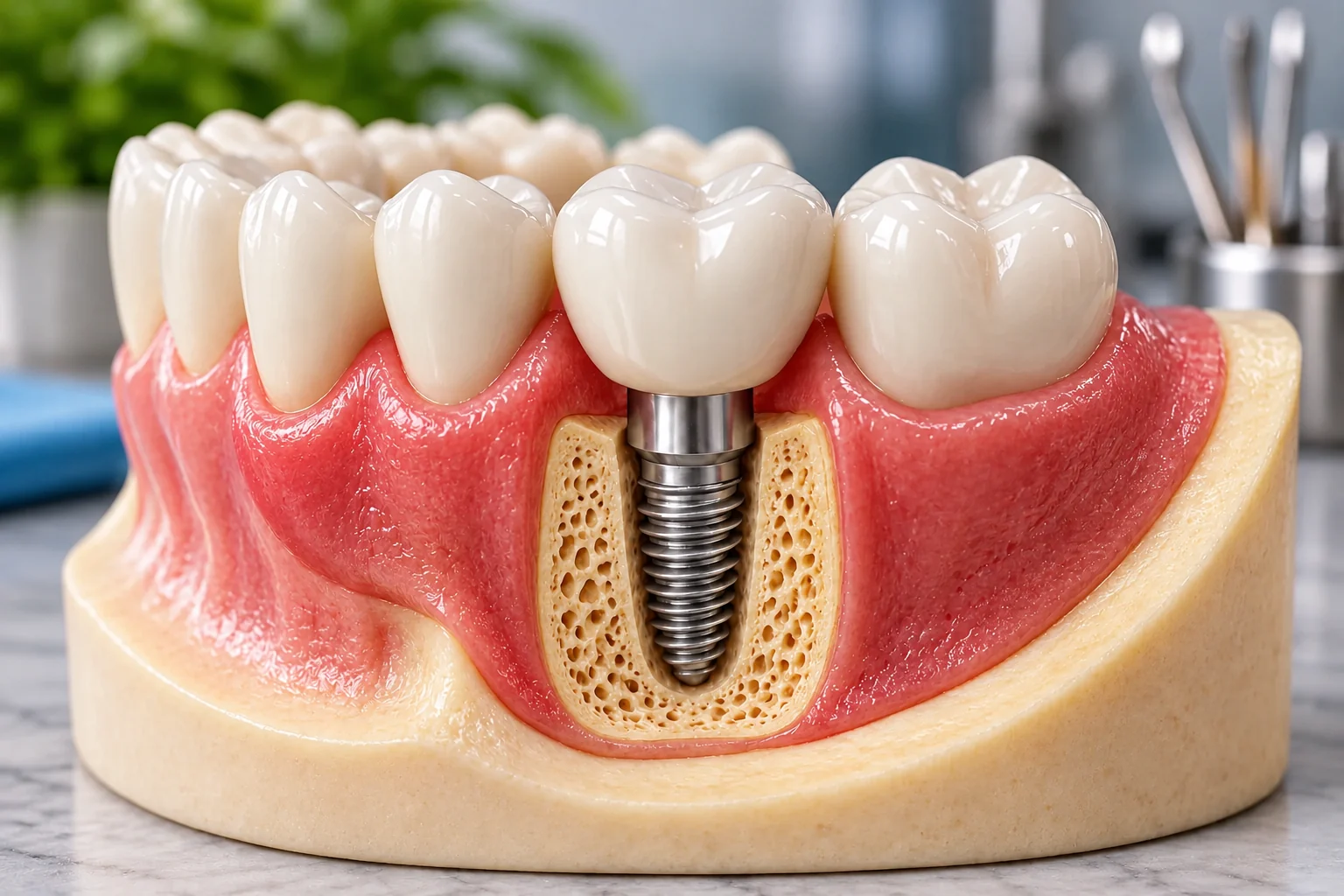
Single Tooth implant
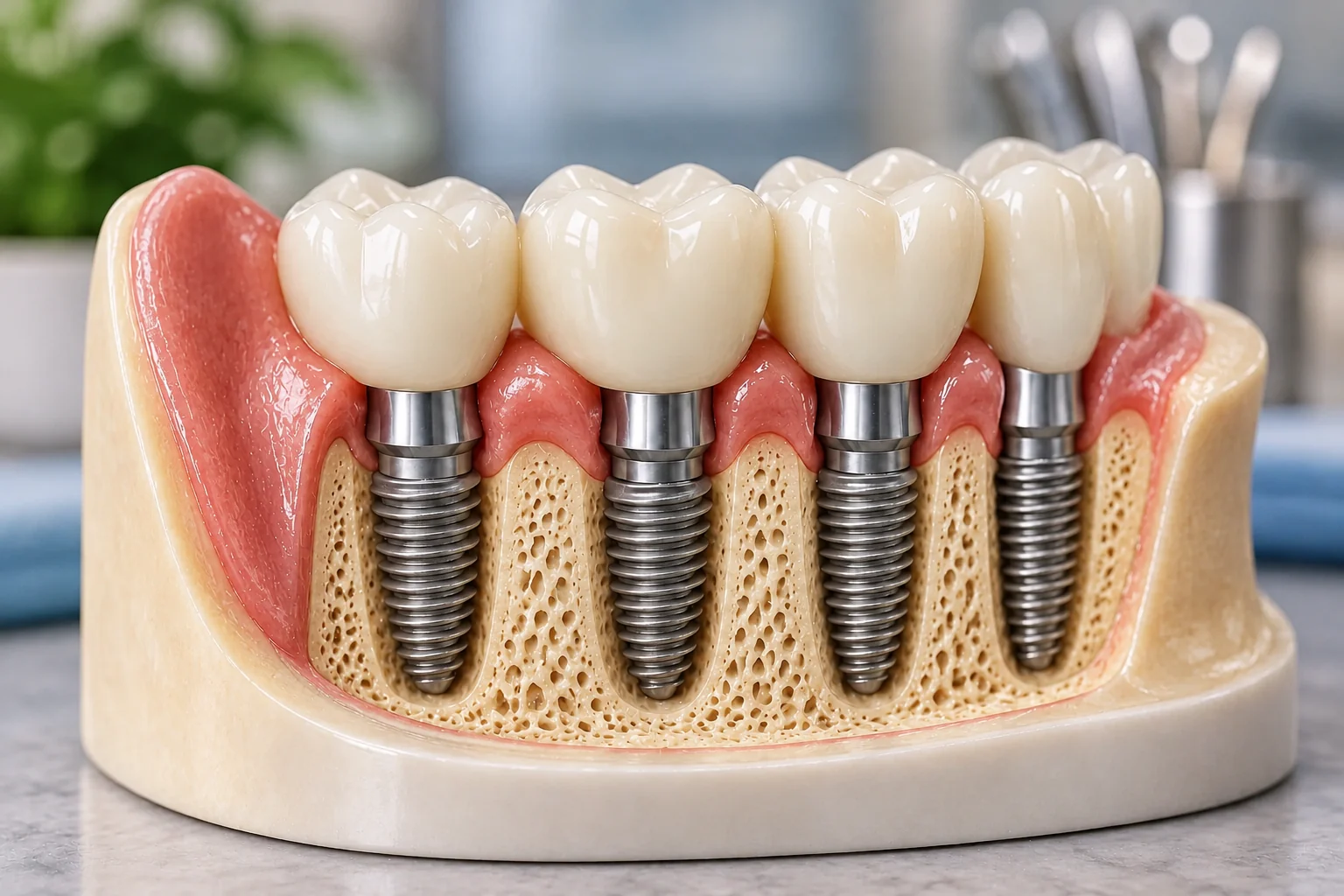
Multiple Teeth Implant

Full Mouth Implants

Natural
Appearance
Designed to blend
with your
existing teeth.
Secure
Support
Provides a
stable base for
replacement teeth.

Everyday
Comfort
Helps make eating
and speaking more
comfortable.
Bone
Support
Helps maintain jawbone structure around the missing tooth.
Natural
Appearance
Designed to blend with your existing teeth.
Secure
Support
Provides a stable base for replacement teeth.
Everyday
Comfort
Helps make eating and speaking more comfortable.
Bone
Support
Helps maintain jawbone structure around the missing tooth.